
October 05, 2026



Ask two readers to label The Tortoise and the Hare and you may get three answers. One will call it a fable, another a folktale, and a third might file it under fairy tales. None of them would be entirely wrong. These three kinds of story grew up alongside one another and were only tidied into separate categories long after people had been telling them for centuries. The differences are real, though, and once you know what each form is for, the labels stop being a guessing game.
A fable is a short story that exists to make a point. That is its whole purpose. The tale is the vehicle; the lesson is the destination.
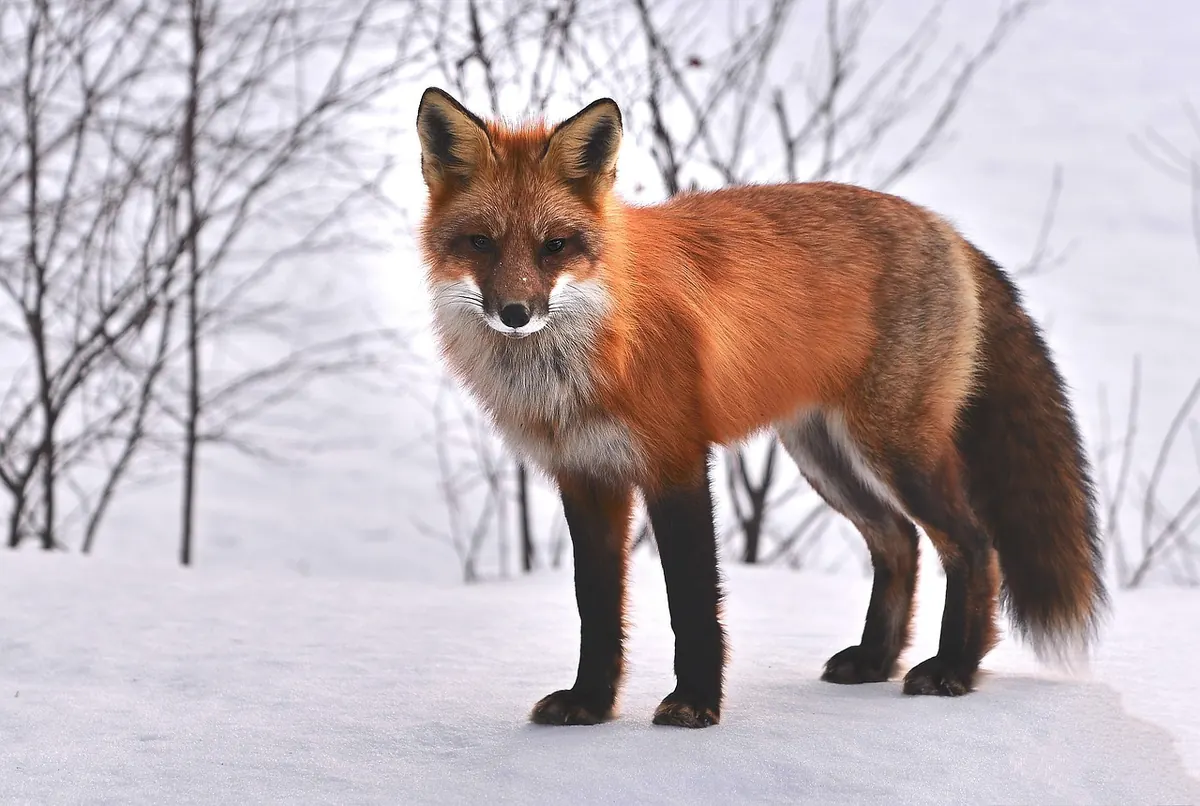
Fables are usually brief, often a page or less, and they tend to star animals who talk and behave like people: a fox, a crow, a hare, a lion. The setting is deliberately vague — a field, a wood, a riverbank — because the exact place does not matter. What matters is the situation and the decision that follows from it.
The ending often states the moral outright. Slow and steady wins the race. Do not count your chickens before they hatch. Those lines have been repeated so often that they now sound like proverbs, which is precisely what a fable is designed to produce: a sentence you can carry away and use.
Aesop's name is attached to the best-known collection, though the stories were told and retold long before anyone wrote them down, and versions exist across Europe, the Middle East and India. The Panchatantra is a fine example of animal fables from the Indian tradition; Jean de La Fontaine later turned many of the Greek tales into French verse.
Magic is rare in a fable, and characters are types rather than individuals. A fox is a fox. The interest lies in the pattern of behaviour, not in anyone's inner life.
Where fable is defined by its purpose, folktale is defined by how it travels. A folktale belongs to a community rather than an author. It is passed on by word of mouth, and every teller shapes it a little differently.
That means folktales have no fixed text — they survive in variants. Ask someone in Yorkshire and someone in Appalachia to tell The Three Little Pigs and you will get the same bones with different flesh. The wolf may fall down the chimney or be boiled in a pot; the third pig may be called Browny or not named at all.
These stories are usually about ordinary people: a farmer, a youngest son, a midwife, a traveller. Settings are familiar — the village, the market, the cottage, the road. Plots lean on repetition and accumulation, which is what makes them easy to remember and easy to join in with. Cumulative tales such as The Gingerbread Man or Henny Penny are built entirely from that repeating rhythm.
Tricksters are folktale regulars: Anansi the spider, Brer Rabbit, the clever servant who outwits a greedy master. Not every folktale teaches anything. Many exist to entertain, to poke fun at the powerful, or simply to fill a long evening, and some end abruptly with no tidy resolution at all.
A fairy tale is a story of wonder, and that is the marker: impossible things happen, and the plot depends on them. A pumpkin becomes a carriage. A girl sleeps for a hundred years. A beast turns out to be a prince.
Openings are formulaic — once upon a time, in a land far away — and the shape is dependable. A young hero, often lowly or in trouble, leaves home, faces a test, receives unexpected help from a fairy godmother or a talking bird or an old woman at a well, and is transformed or restored by the final page. Kings, stepfamilies and youngest children crowd the cast.
The name is misleading. It comes from the French conte de fées, and plenty of the most famous stories in the genre contain no fairy at all. Cinderella, Snow White, Hansel and Gretel, Beauty and the Beast and The Little Mermaid all manage perfectly well without one.
Their ancestry is mixed, too. Some come from oral tradition; the Brothers Grimm collected theirs from tellers in German-speaking lands and edited them for print. Others were literary from the start: Charles Perrault wrote polished versions for a court audience, and Hans Christian Andersen invented new tales outright rather than retelling old ones.
In most scholarly usage a fairy tale is a type of folktale — the wonder tale — so the two categories nest inside one another rather than sitting side by side. Fables occupy a slightly separate shelf, partly because they attach to named authors and travel as written texts as much as by voice.
Individual stories refuse to stay put anyway. Jack and the Beanstalk has magic beans and a giant, but Jack is a folk hero before he is a fairy-tale prince. The Three Little Pigs gives us talking animals and a repeating structure but never states a moral. Categories are useful, not sacred.
When you are unsure, work through these questions. The first one that fits the story usually settles it.
Treat the labels as tools rather than rules. A fable is best read short and aloud, with the moral left to land on its own. A folktale wants a teller — learn one by heart and change the details to suit your audience. A fairy tale rewards a slower read, because the pleasure is in the strange logic of the magic and the long, satisfying return home.
Notice which of the three you reach for and when: a fable when you want a sentence to remember, a folktale when you want company, a fairy tale when you want to be carried somewhere else entirely. And if a story will not sit in its box, that is not a failure of the categories. It usually means the story is old enough to have lived in more than one.
Photo: EliFrancis / Pixabay
Timeless tales and fables for every reader.
Copyright © 2026 Fable Page. All rights reserved. Fable Page.