
October 05, 2026



The first night the air smells of woodsmoke, the requests arrive. A village hall wants something for a harvest supper. A primary school wants a Halloween tale that will not terrify the reception class. Someone is already asking about the Christmas lights switch-on, and the library has booked a winter evening for the week before Twelfth Night.
Seasonal storytelling looks like one night's work and is really a quarter of a year. The tales that carry an audience through October are not the ones that carry them through January, and the order you tell them in matters as much as the choosing. What follows is a working checklist: what to look for in a seasonal tale, how to build a programme, and how to hold a dark room when the wind is rattling the windows.
The folk year between harvest and Candlemas has four or five clear turnings, and each asks something different of a story. Write them on one sheet of paper before you read a single collection. If your October material would sit just as happily in December, it is probably not seasonal at all — it is simply a story you like.
Late summer into October belongs to reaping, gratitude and the cost of waste. Look for tales about the last sheaf, the bargain struck with the land, the neighbour who takes more than his share. The Apple Tree Man, wassailing songs and stories of bread baked from the final grain all sit comfortably here, and they suit a supper table where people have just eaten together.
From the end of October into November, the themes turn to thresholds: the dead who are not quite gone, disguise, the stranger at the door, the debt that must be paid. This is where Tam Lin, the Cailleach and a good many revenant tales belong. Ghost stories told here feel inevitable; the same tales in mid-December feel like a mistake.
December splits neatly in two. Advent is about waiting and the unexpected visitor — Sir Gawain at the Green Chapel, Frau Holle shaking her feather beds, the mummers' play with its death and resurrection. Yule and Twelfth Night turn towards the returning light: the Holly King and the Oak King, the Mari Lwyd knocking at the door, the log that must not go out. Keep a Twelfth Night tale in reserve; it gives the season a proper ending.
Once you know which turning you are telling for, run each candidate tale past these tests.
Think of the programme as a tide coming in and going out again: open loose, tighten the screw, then let the light back in. Three to five tales is plenty for an hour, and the strongest story does not always go last — the last tale is the one people hum on the way home, so it should be a tale of return, rescue or reward.
A mixed-age village hall programme might run: a wassail story and song, the Mari Lwyd at the door, a shortened Gawain, a comic mummers' tale of a doctor and a dead man, and the Yule log last. Fifty minutes, no interval, no book.
Winter audiences are sitting closer together and thinking of the cold outside; use that. Keep the light source behind you and slightly to one side so faces are lit and screens are not. Sit down if you can — a seated teller feels like a fireside, a standing one feels like a lecture.
Slow down more than feels natural, and leave a full breath after the first genuinely strange detail. Silence does the work that adjectives cannot. Learn your first and last lines by heart so you never begin or end while looking at paper, and keep water within reach: hot rooms and long sentences dry a voice out quickly.
Watch the front row, not the back. Children broadcast the truth about a story — if the smallest ones start shifting, cut a description; if they lean in, you have another minute to spare. And if someone is genuinely frightened, name it lightly, change your tone and move on. Fear is a seasoning, never the meal. Where a tale involves food or drink passed round — wassail, cake, a shared loaf — check allergies and any venue rules beforehand rather than on the night.
Two minutes before you step up: tell the opening thirty seconds aloud, in your ordinary voice, to check it still works. Confirm the running order with whoever is introducing you. Know how long you have and which tale you will drop if the evening has already run late. Carry one short tale you can tell standing up with no preparation, for delayed starts and awkward gaps.
Then put the sheet away, take a breath, and let the season do half the work for you.
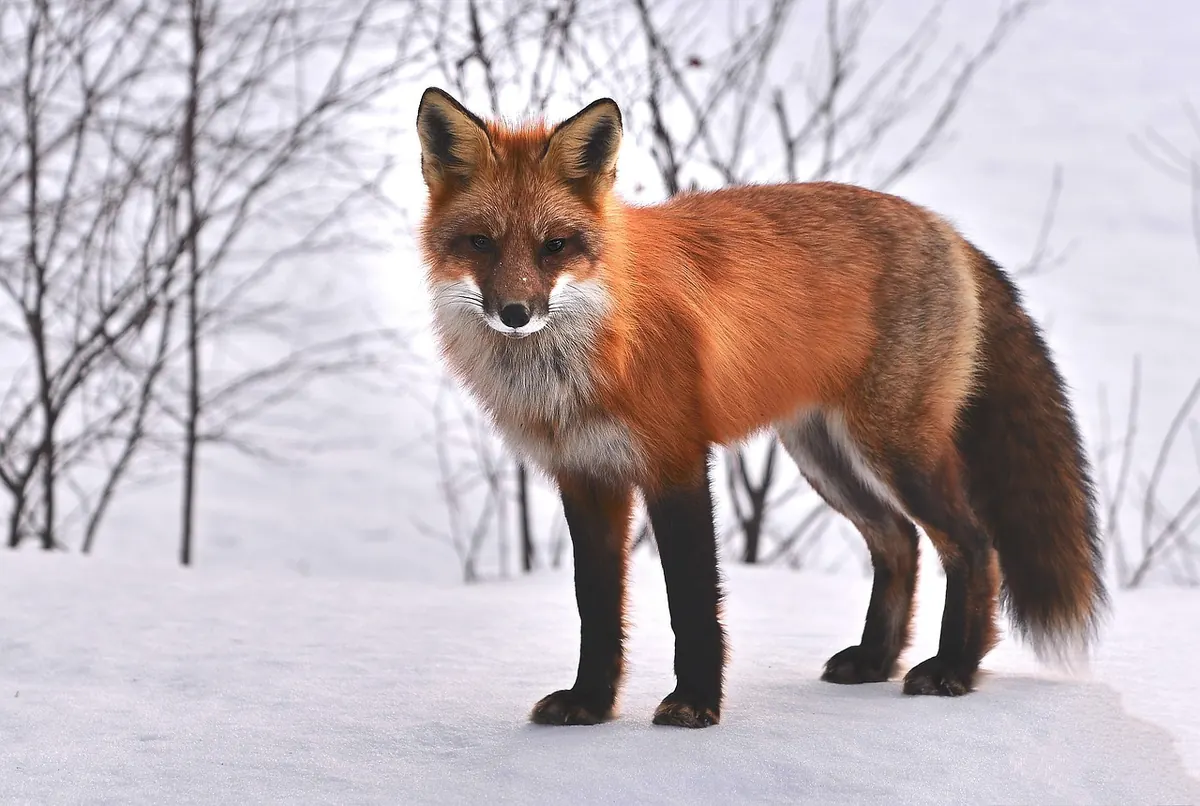
Photo: 6220795 / Pixabay

Timeless tales and fables for every reader.
Copyright © 2026 Fable Page. All rights reserved. Fable Page.